Cement silos
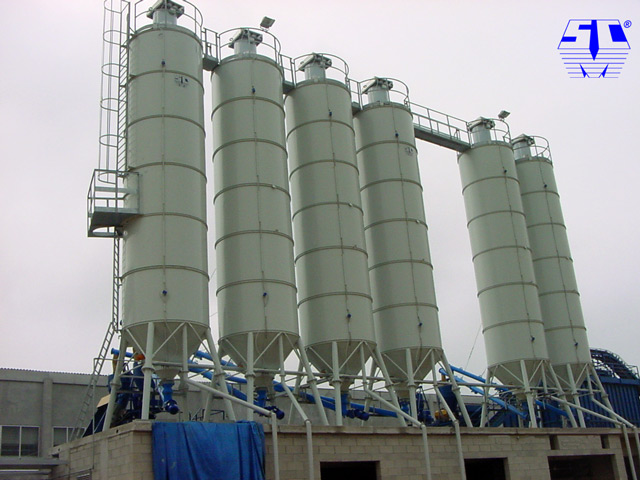
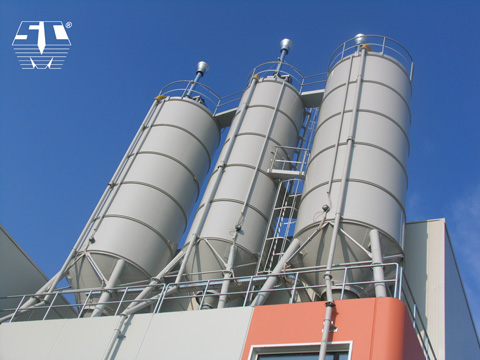
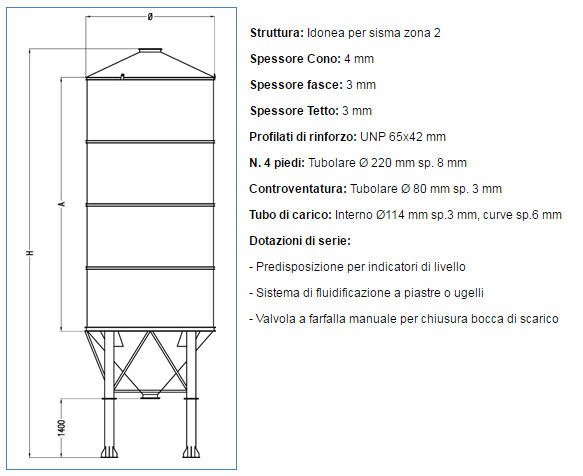
Designed by S.C.M.2 for the storage of materials such as:
• Cement
• Filler
• Ashes
• Powdered marble
• Sand
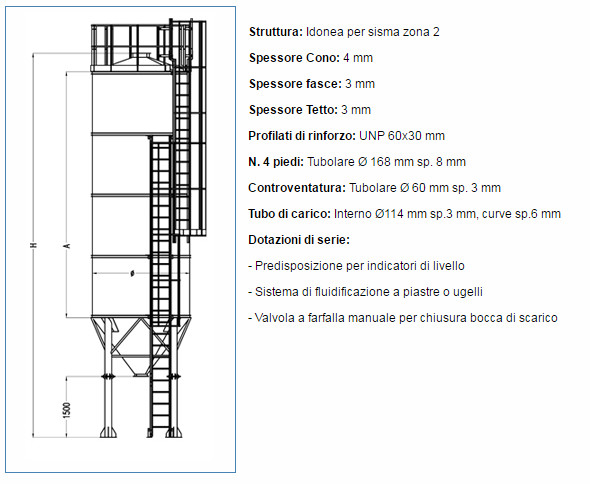
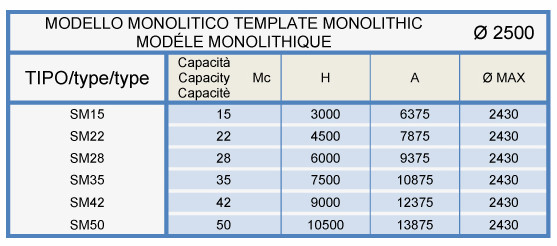
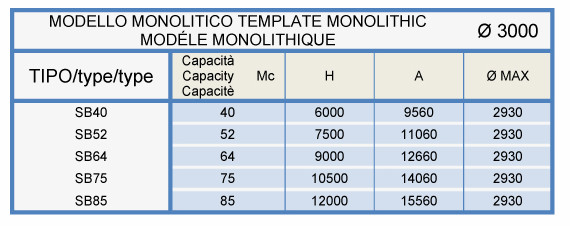
You can choose between the range of silos standard or customized according to customer needs.
The facilities are fully dimensioned to seismic zone Class 2
The accessories (filters, pressure control valves, gauges, etc..), Complete the product.
Cement screews
ES Screw Conveyors are used for feeding or conveying of cement and filler dust in concrete batching plants, cold filler dust in asphalt mixing plants, as well as cement and similar materials in building materials processing plants
Are manufactured in carbon steel with a suitable surface finishing and powder coating. They are made up from a tubular trough that is equipped with at least one inlet and outlet spout, a welded flange at each tube end, helicoid screw flighting welded on a centre pipe with a coupling bush at each end, two end bearing assemblies complete with self-adjusting shaft sealing unit (one of the bearing assemblies incorporated in the drive unit), a number of intermediate hanger bearings depending on the overall length of the screw conveyor. Furthermore, are equipped with a gear motor that suits the application.
OPTIONS & ACCESSORIES
• Different types of inlet and outlet spouts
• Additional inspection hatches
• External supports
• Drive unit at outlet end
• Selection of gear ratios (different feed rates)
Conveyor belts
The belt conveyors are the most used machines for the transport of aggregates, such as gravel, sand etc.. used for packaging concrete.
The types of tapes made from S.C.M.2 are:
• Extractors belts (for the extraction of aggregates from the storage hoppers).
• Volumetric belts (for the extraction and weighing aggregates).
• Inclined belts (for conveying the aggregates to the point of load) with smooth belt, or chevron belt.
• Reversible translator belts (horizontal belts installed on top of the hoppers for the loading of individual tanks).
• Radial belts (special belts that can rotate on a railroad for the load aggregates from the ground, in absence of ramp).
FOR MORE INFORMATION